





The American savings rate has been dropping for more than a year as many people find their cost-of-living rising faster than their income. Data from the Federal Reserve Bank of St. Louis indicates this is part of an overall trend since the end of the coronavirus pandemic.
One of the core elements of personal finance basics is that if you can set something aside each month, it can make your life so much better over the long run by making it easier for you to qualify for loans, reduce the interest rate you’ll have to pay, and help you avoid debt by having a financial cushion you can rely on. Of course, whatever you’re able to save, you’ll want to make the most of it.
Why the Right Accounts Matter
For many people, banking is about checking and savings accounts, but you do have other options for where to keep your money. The right financial foundation accounts can make your savings go farther, help you meet your long-term goals, and even reduce your income taxes.
Everyday Checking Account
Many people open their first checking account as soon as they’re able to work. For teenagers and those just starting out in life, they’re just looking for an account they can use to deposit their paychecks, pay their bills, and get a free debit card for shopping, making deposits, and withdrawing cash. They most likely want an account that offers Online and Mobile Banking.
The Consumer Financial Protection Bureau (CFPB) recommends that teenagers save at least 10% of their income and have at least three months of living expenses set aside in case of an emergency. If you can set something aside, even in your early years, you’ll be better off in the long run, and that leads to a savings account.
Emergency Savings Account
While teenagers might be able to get by on just three months worth of savings, they typically have parents and other family members they can turn to for help. For the rest of us, financial experts recommend that each family have three to six months’ worth of living expenses set aside as an emergency fund. If your income fluctuates from time to time, you might need even more of a financial cushion.
A savings account is one of the more important bank accounts that someone can have because you can earn interest on whatever you manage to set aside. For many people, transferring part of their income from their checking to their savings account makes it easier for them to save because they limit themselves to only spending what’s left in their checking account. Setting up automatic transfers to your savings account that happen once per month, or with each pay period, can really help you save more money.
If saving six months’ worth of household expenses seems too big of a hill to climb, aim for a week’s worth of savings and then a month’s worth of savings. The point here is to focus on curbing your spending wherever possible and save what you can.

Retirement Account
A Gallup survey last year revealed that 59% of Americans had a retirement savings plan, such as a 401(k) or an individual retirement account (IRA), that they held by themselves or with a spouse. Among retirees, 94% of those who had a retirement savings plan said they had enough to live comfortably, while just 70% of those without a retirement plan had enough to live comfortably.
The American Association of Retired Persons (AARP) suggests that when people retire, they should have at least 10 times their annual income set aside. It notes that the earlier you start saving for retirement, the better off you’ll be. For example, it suggests that if someone put $5,000 per year into an IRA, starting at age 30, they would have about $634,200 by age 70 (assuming 5% annual gains). If they saved at that rate starting at age 50, they would have just $173,600.
If your employer offers a retirement plan, such as a 401(k), whatever you contribute is tax-free, so it will reduce your gross income and your income taxes. If your employer matches any of your contributions, it would make sense to contribute at least the amount that it takes to make the most of that benefit. For example, if your employer matches your contributions of up to 4% of your income and you contributed that amount each year, you would be setting 8% of your income aside for retirement each year—tax-free.
You also have the option of setting up your own Individual Retirement Account (IRA), and you generally have two options to choose from:
- Traditional IRA: Your contributions may be tax-deductible, and you would typically pay income taxes when you withdraw your funds in retirement.
- Roth IRA: Your contributions aren’t tax-deductible, but you wouldn’t pay income taxes for withdrawing these funds when you retire.
Credit Cards
Most American adults have at least one credit card, and it is estimated that up to half of them are carrying a balance that they don’t pay off every month. As useful as credit cards are, they typically charge a high interest rate. The CFPB reports that interest is the primary cost of having a credit card, which exceeded $160 billion in 2024. Cardholders paid $31.3 billion in fees that year, with most of them being late fees at a cost of $17 billion.
While credit cards are certainly a useful way to pay for things, it’s important to use them responsibly so they don’t consume a large share of your monthly income. Credit card debt not only takes money out of your pocket, but it can also negatively affect your credit score. That would make it harder for you to obtain loans and raises the interest rate you’ll have to pay.
Health Savings Accounts
Health Savings Accounts (HSAs) are available for those with high-deductible insurance plans and are a great way to offset the cost of healthcare while saving for retirement at the same time. You can make tax-free contributions to an HSA, similar to a 401(k), and the money is yours to keep even if your health insurance changes, you switch to a job that doesn’t offer high-deductible plans. You can also invest your funds, similar to a 401(k), and any growth in your HSA account would also be tax-free when you spend your funds.
As of 2025, the maximum HSA contribution is $4,400 per individual coverage or $8,750 for family plans. Those who are 55 or older can make an additional $1,000 “catch-up” contribution. Spouses over age 55 can contribute an additional $1.000 as well.
You can use your HSA funds to cover your healthcare and related costs, such as:
- Prescriptions, including insulin and birth control.
- Medical co-pays, deductibles, physical therapy, ambulance, etc.
- Dental and eye care, including prescription glasses, contact lenses, and dental cleanings.
- Insurance premiums for long-term care insurance, COBRA, and Medicare premiums for those age 65 and older.
- Travel-related healthcare costs including transportation, hotels, and meals.

Kids or Student Savings Accounts
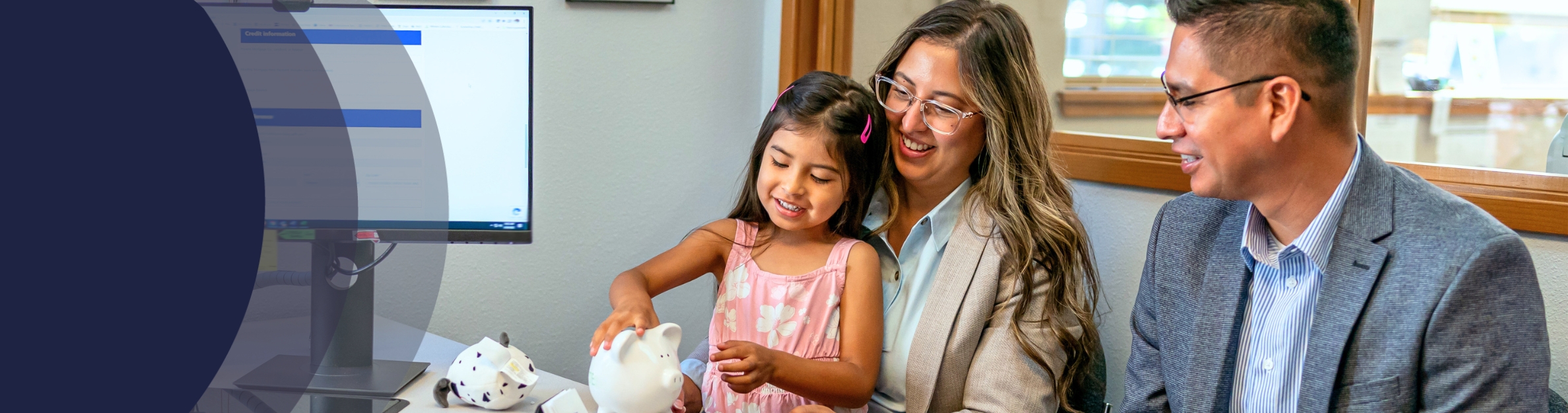
It’s never too early to teach your kids about handling money and the importance of saving. Setting them up with their own child savings account is a good start. Our Peoples Little Perks accounts are available to children aged 12 and older (accompanied by an adult). You can start an account with just $25!
We’ll encourage your kids to save by giving them a stamp for every deposit they make of $10 or more (maximum of one stamp per week), and they can earn double stamps for deposits made in the month of their birthday, along with a birthday coupon from a local restaurant. Once your child’s stamp book is full, they can exchange it for a prize. Stamp cards must be redeemed before a child turns 13. It’s a great way to teach your kids about saving.
Online & Mobile Banking Access
Each of our account holders has access to our Online and Mobile Banking platforms, which they can use to monitor their accounts, make transfers, pay their bills, and even deposit a check remotely using their phone and our mobile app.
How to Choose What You Need First
If you’re thinking of opening your first bank account, you have a few things to consider. Let’s start with the fact that American banks are the safest place to keep your money. In the unlikely event of a bank failure, each of our account holders is insured by the FDIC for up to $250,000 across all their accounts with us. Married couples receive up to $500,000 in coverage for their joint bank accounts.
Most people start with a simple checking account that they can use to deposit their income, cash checks, and pay their bills. If you’re able to set something aside each month and you see your checking account balance growing from month-to-month, consider opening a savings account so you can earn interest on your deposits. With both a checking and savings account, you could still have your income deposited into your checking account and set up automatic transfers from there to your savings account. Of course, you could also transfer funds manually online, through our mobile app, or by visiting one of our bank locations.
As your savings grows, you might consider saving more for retirement or opting for a Money Market account or a Certificate of Deposit (CD) to earn more interest. Our Money Market account requires a minimum daily balance of $1,500 to avoid a $10 monthly service charge. You can earn a higher interest rate than our regular savings account and with a tiered interest rate so the more you save, the higher the rate you’ll receive.
Our CDs are available at terms ranging from three months to 60 months (five years) and the longer the term you choose, the higher the interest rate you’ll receive. Withdrawing from a CD before it comes to term would result in a penalty fee, so if you want a little flexibility among your CDs you might choose a CD ladder, where you put some of your funds into CDs of different term lengths. That way, each of them could come to term at different times.
What You Need to Open a Bank Account
To open a savings or checking account with us, if you are 14 or older, you will need an unexpired government issued photo ID such as a state photo id, driver’s license, drivers permit, or passport. For minor accounts, you will need to bring in the social security card or birth certificate. We’re also going to need:
- Your Social Security number or Taxpayer Identification number
- Your email address, if you want to enroll in online banking
- An initial deposit, depending on the type of account you want to open
Build Your Foundation With Peoples Bank
If you’d like to open an account with us or review your Peoples Bank accounts and consider your options, please contact us or visit one of our locations in Iowa, Minnesota, and South Dakota.