





Insurance terms can feel confusing, especially when you’re trying to understand what your policy actually covers after a loss. One of the most important distinctions in home and property insurance is the difference between Actual Cash Value (ACV) and Replacement Cost (RC).
While the terms sound similar, the payout difference can be thousands of dollars. Here’s a simple breakdown to help you understand how each one works and which is best for you.
What Is Actual Cash Value (ACV)?
Actual Cash Value is what your item is worth today, not what you originally paid for it.
Think of ACV like selling something at a garage sale:
You’re not getting back the price you paid; you’re getting the value after years of use, wear, and depreciation.
In practical terms:
- ACV = Replacement Cost − Depreciation
- Depreciation is based on age, condition, and expected lifespan.
Example:
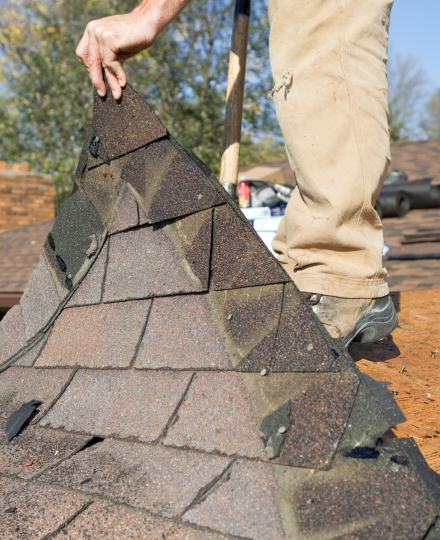
Your 10‑year‑old roof is damaged in a storm.
Even if a new roof costs $12,000 today, your insurance company may value your current roof at only $5,000 because of age and wear.
Your payout = $5,000 (minus your deductible).
ACV policies often come with lower premiums but also lower payouts after a loss.

What Is Replacement Cost (RC)?
Replacement Cost pays to replace your damaged item with a new one of similar kind and quality, without deducting for depreciation.
This means insurance covers what it actually costs to rebuild or replace at today's prices.
In practical terms:
- RC = The cost to buy or rebuild new—now
- No depreciation taken out
Example:
Using the same roof scenario, if the cost of a new roof is $12,000 today, a Replacement Cost policy would pay the full $12,000 (minus your deductible), even though your roof was 10 years old.
RC policies cost more upfront, but they offer far greater financial protection after a claim.
Key Differences in ACV & RC at a Glance
| Feature | Actual Cash Value (ACV) | Replacement Cost (RC) |
|---|---|---|
| Accounts for Depreciation | Yes | No |
| Payment Amount | Lower | Higher |
| Premiums | Typically Lower | Slightly Higher |
| Best For | Older Homes, Budget-conscious Policies | Most Homeowners Who Want to Fully Rebuild/Replace Items |
Why Replacement Cost Usually Makes More Sense
For most homeowners, Replacement Cost coverage offers peace of mind. Materials and labor costs continue to rise, meaning the true cost to replace something is often much higher than expected.
With RC coverage, you’re not stuck making up the difference out of pocket.
That said, ACV policies may be a good fit if:
- You’re insuring older structures
- You’re looking for a more budget-friendly option
- You understand and are comfortable with potential out-of-pocket expenses
What About Personal Property?

Your home insurance policy can apply ACV or RC to your belongings, too, things like furniture, electronics, clothing, and appliances.
Example:
- ACV: Your 5-year-old TV is valued at maybe $100–$150 today.
- RC: You receive enough to buy a new TV of a similar size and quality.
Upgrading personal property coverage to replacement cost is often an inexpensive add-on that makes a big difference after a loss.
Learn More About Peoples Insurance
Understanding ACV vs. Replacement Cost can help you make smarter decisions about your home, your belongings, and your financial protection.
If you’re unsure which coverage you currently have, or which option is right for your home, our team at Peoples Insurance is here to help you walk through your policy, explain your options, and make sure you’re fully protected.